E-commerce · Home Decor & Artisanal Retail
Favia Decor
A heritage home-decor storefront selling handcrafted pieces across India and international markets.
Overview
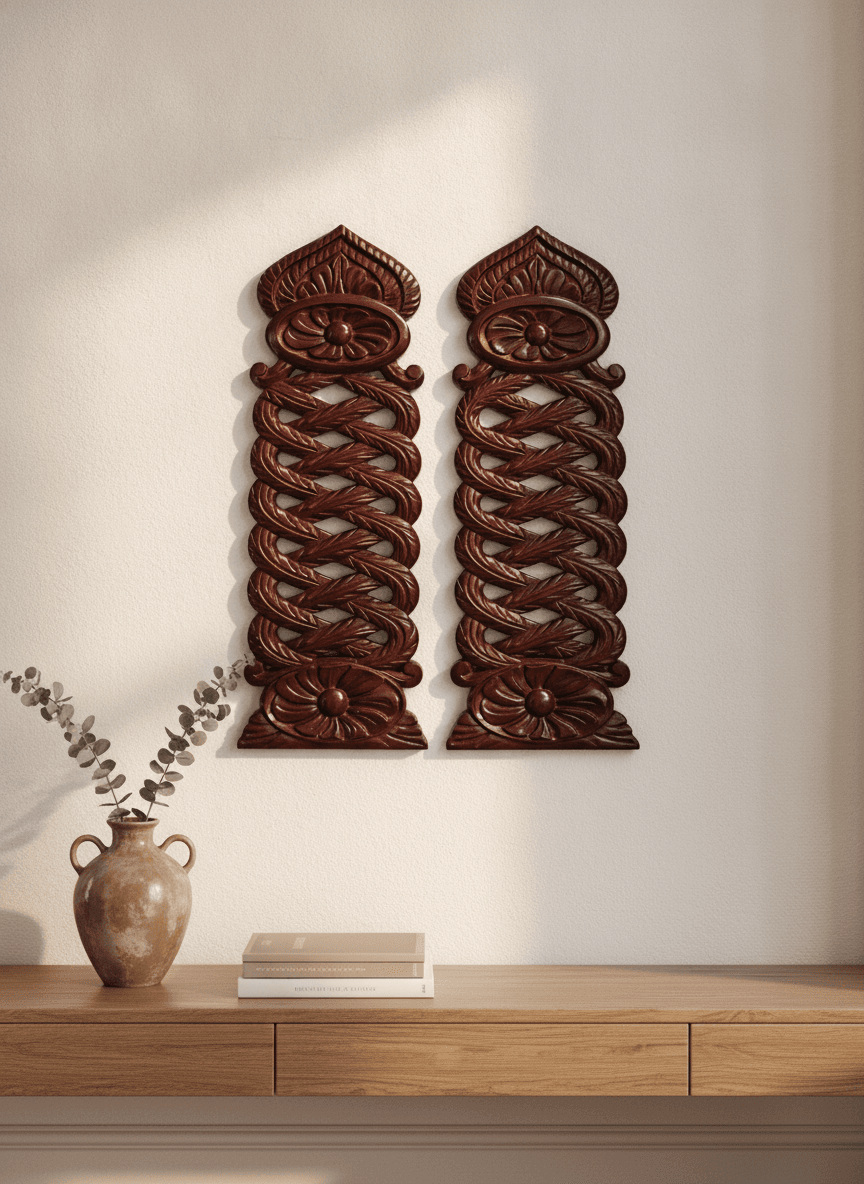
Favia Decor is a production e-commerce storefront for a heritage Indian artisanal home-decor brand. The catalog spans handcrafted pieces across six crafts, spiritual and devotional, sculptures and figurines, wall art, vases and florals, frames and mirrors, and pedestals and accents. It is both a marketing-grade brand experience and a fully transacting shop, mobile-first, serving buyers in India (INR) and internationally (USD).
The challenge
The brand needed to sell to two very different markets from a single storefront: domestic Indian customers who expect Razorpay and UPI, and international customers who pay via Stripe in USD. Pricing, currency and payment routing had to follow the buyer's region automatically. The team also wanted to manage payment configuration without editing environment files and redeploying, and to keep checkout secure against client-side tampering, all while preserving a cohesive, premium brand aesthetic.
What we built
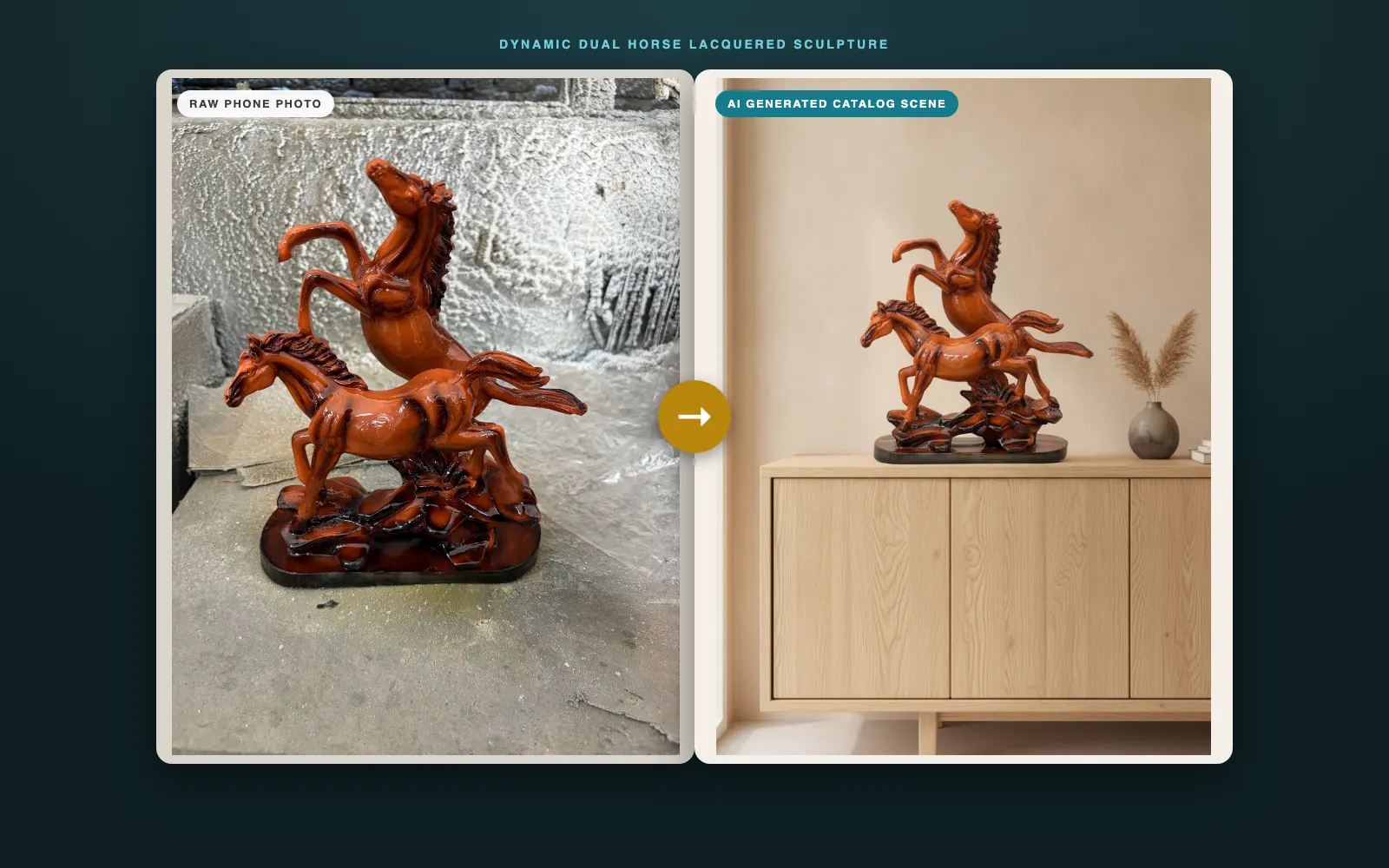
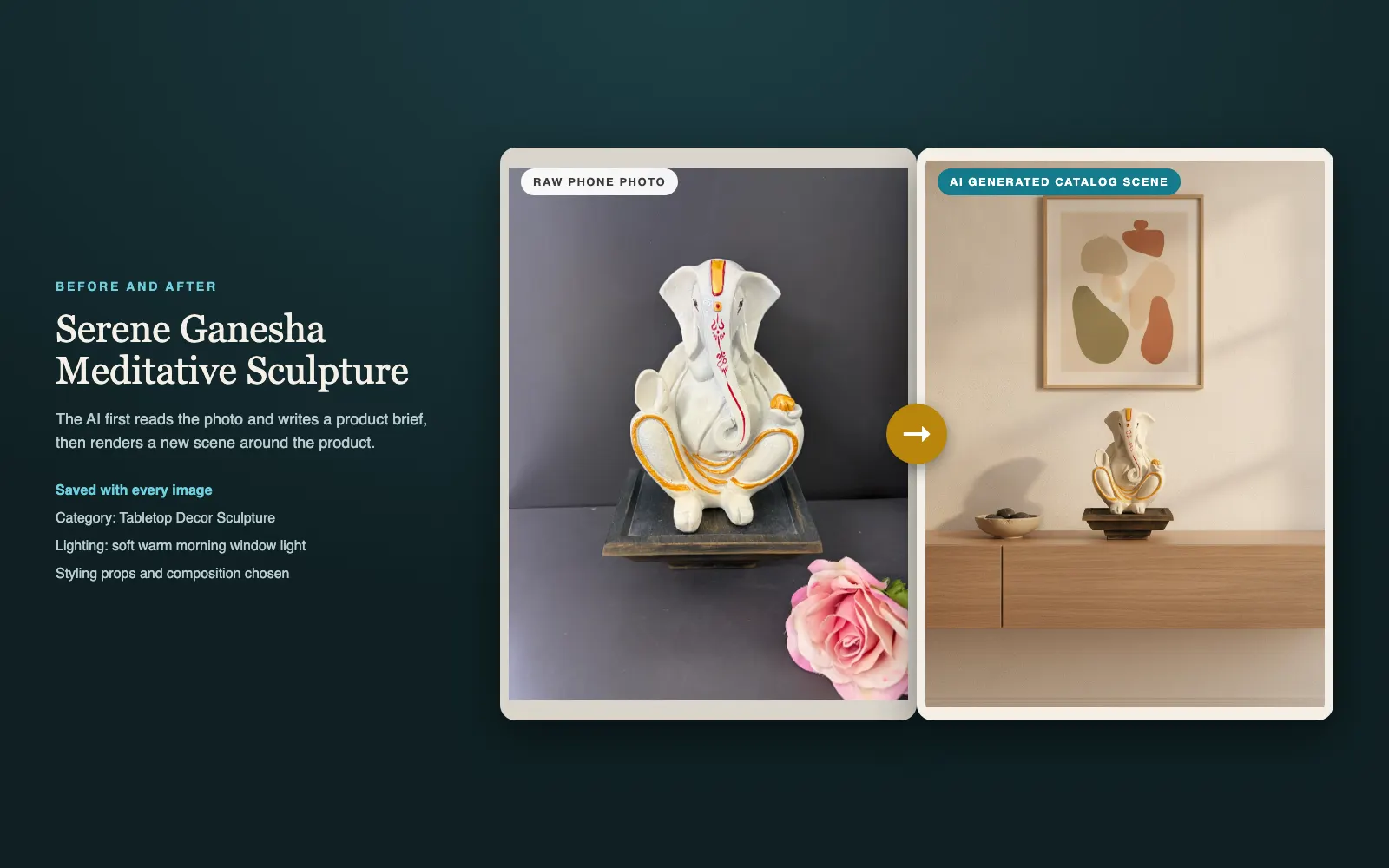
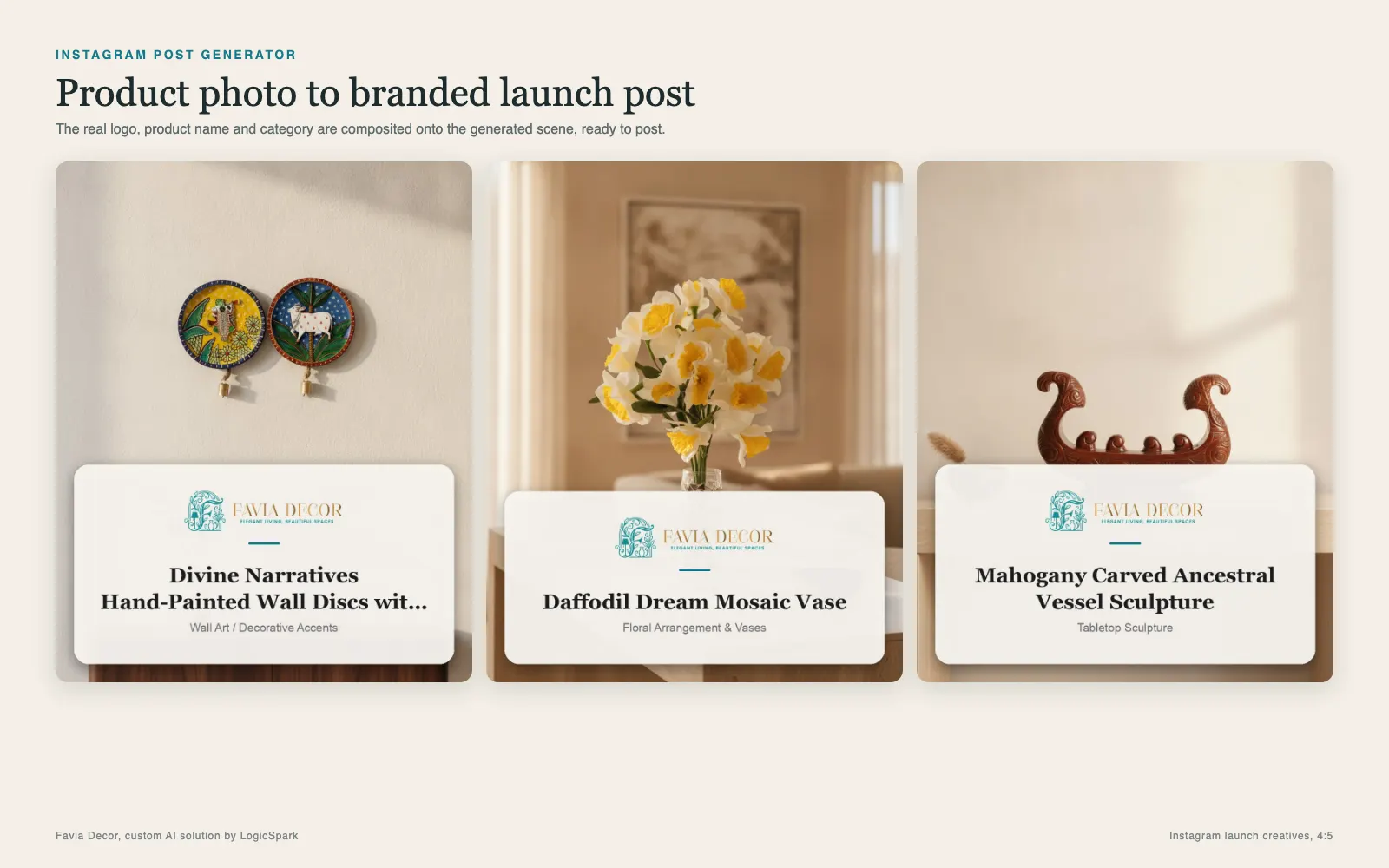
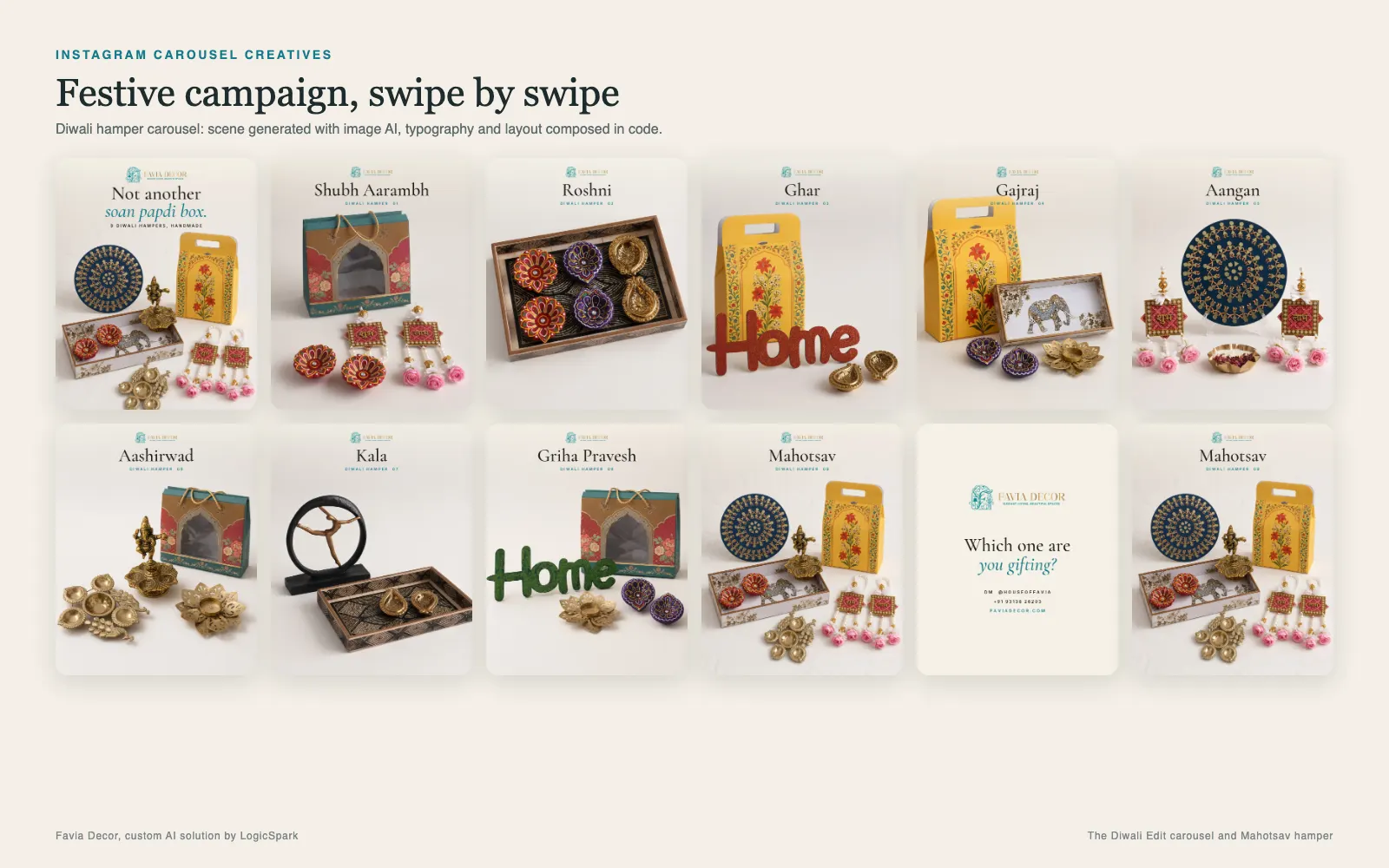
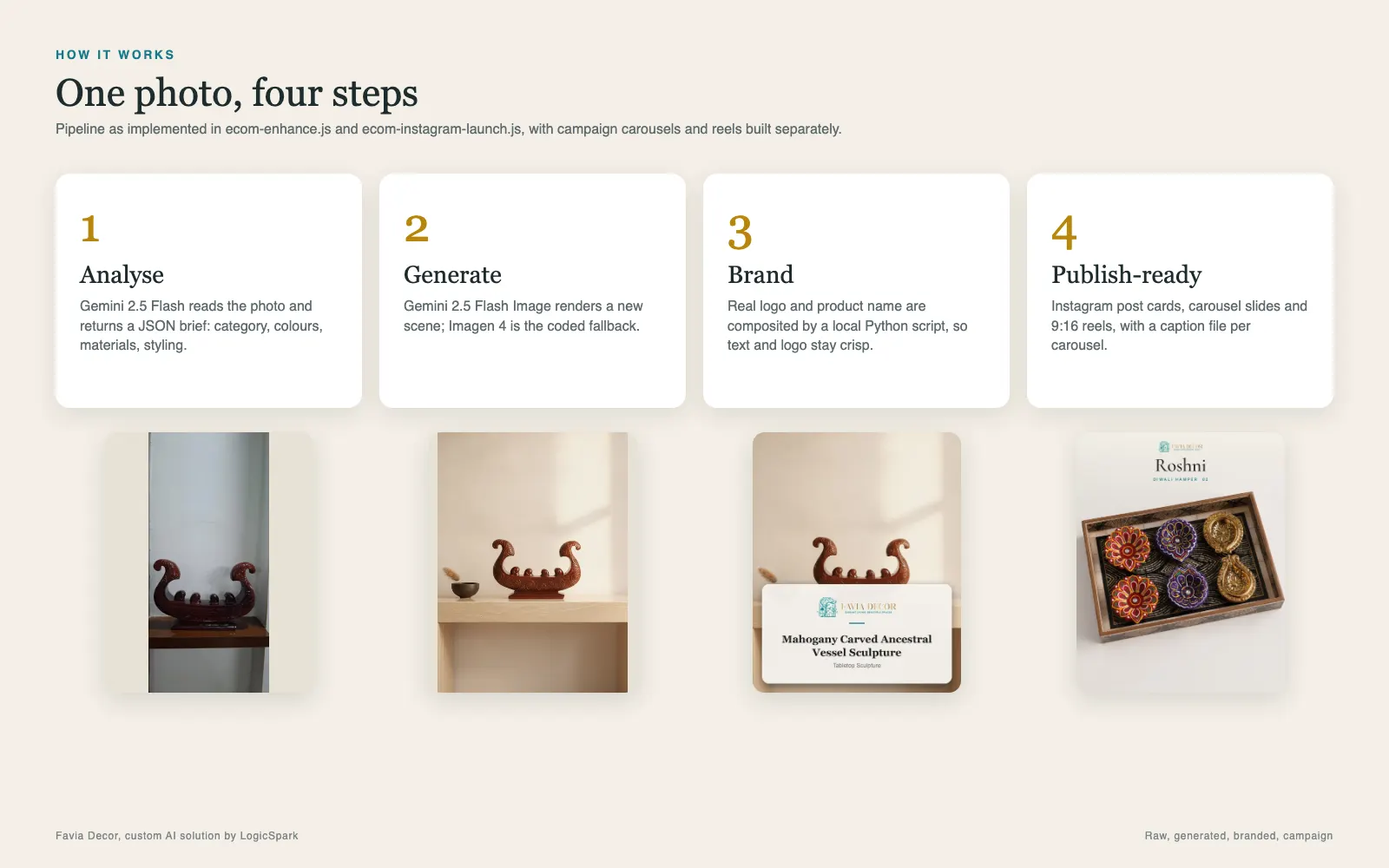
The platform pairs a Medusa v2 backend (Store and Admin APIs, PostgreSQL and Redis via Docker) with a Next.js 15 App Router storefront. We built two seeded regions with region-aware pricing and custom payment-provider modules for Razorpay (India) and Stripe (international), including server-side payment verification and webhooks for both gateways. Payment providers can be toggled and keyed live from the admin database rather than through redeploys. The catalog is generated deterministically from product metadata with an image pipeline, and the UI is locked to a brand design system with restrained motion and editorial typography.
Results
Favia Decor now sells across domestic and international markets from one storefront, routing each buyer to the right currency and gateway. Making payment configuration admin-managed removed the redeploy friction the brand previously faced, and server-side verification hardened the checkout flow. The deterministic catalog generator streamlined product management, and the result is a cohesive, mobile-first heritage brand experience.
Inside the product
Free PDF
Get the LogicSpark portfolio
Real products we shipped, with screenshots, stacks, and outcomes. Share it with your team before a call.